
Insulin & Glucose Dynamics After Meals
Science-based explanation of postprandial metabolic responses
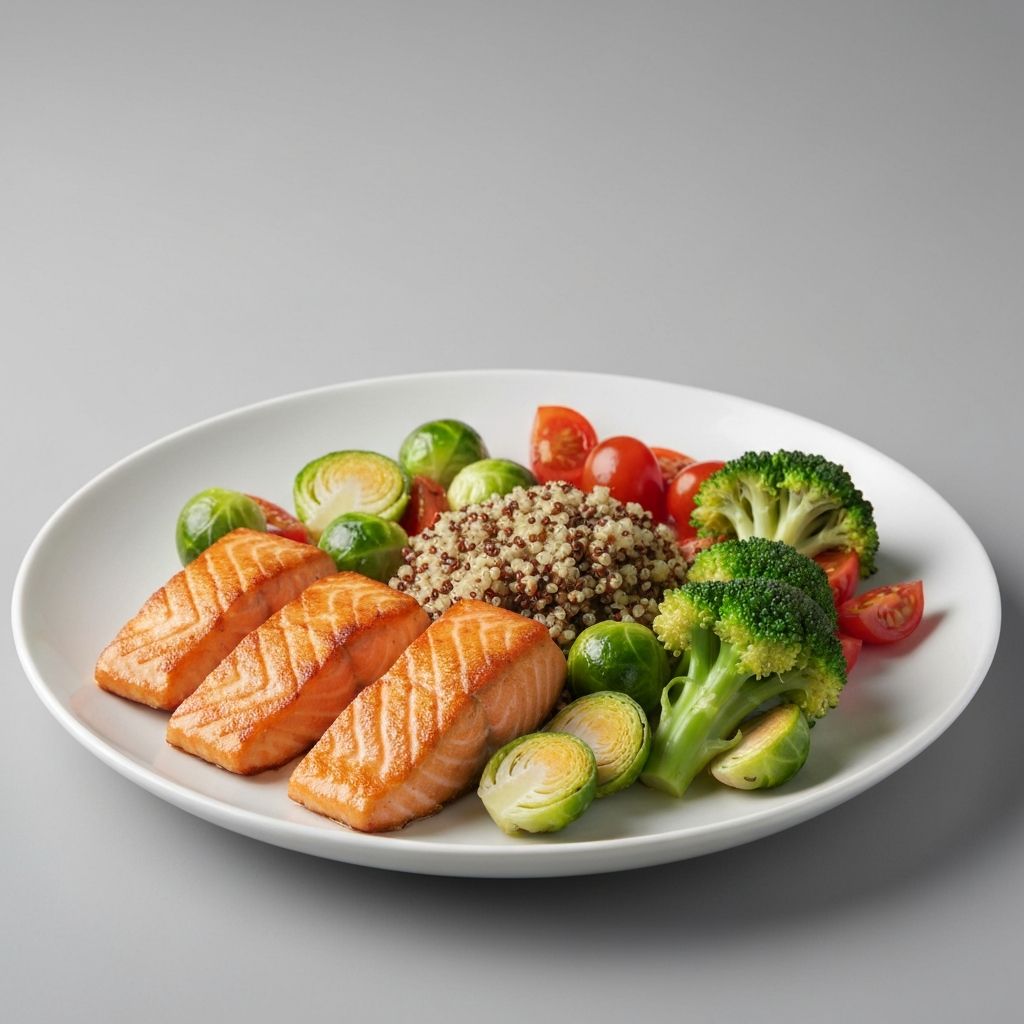
Overview of Postprandial Metabolism
The postprandial period—the time following food consumption—involves a coordinated series of metabolic changes. Blood glucose concentrations rise as carbohydrates are digested and absorbed. This elevation in blood glucose concentration triggers pancreatic beta cells to secrete insulin, a hormone that facilitates glucose uptake into muscle and fat tissues.
Insulin secretion is not solely dependent on glucose concentration. Amino acid content, fatty acid absorption, and hormonal signals from the gut all contribute to insulin secretion patterns. The magnitude and timing of insulin secretion directly influences postprandial glucose trajectories.
Glucose Homeostasis Mechanisms
The body maintains blood glucose concentration within a relatively narrow range (approximately 70–100 mg/dL in the fasted state) through multiple overlapping mechanisms. These mechanisms operate without conscious control, involving hormonal signaling, enzyme regulation, and metabolic pathway coordination.
Insulin's Role
Insulin facilitates glucose uptake into muscle and fat tissues through translocation of glucose transporters (GLUT4) to cell membranes. In muscle tissue, insulin stimulates the enzyme glycogen synthase, promoting glycogen storage. In adipose tissue, insulin promotes triglyceride synthesis and storage, while simultaneously inhibiting lipolysis.
Insulin also suppresses gluconeogenesis—the synthesis of glucose from non-carbohydrate precursors—in the liver. This dual action (promoting glucose utilisation while suppressing glucose production) creates the metabolic environment characteristic of the fed state.
Glucagon's Countermeasure
As postprandial glucose begins to normalize, insulin secretion declines. Concurrently, pancreatic alpha cells secrete glucagon in response to declining glucose levels. Glucagon opposes insulin's effects: it stimulates glucose production through glycogenolysis (breakdown of glycogen) and gluconeogenesis, promoting lipolysis and suppressing lipid synthesis.
This reciprocal relationship between insulin and glucagon creates a self-regulating system that maintains blood glucose stability without requiring constant conscious intervention.
Factors Influencing Postprandial Glucose Response
Macronutrient Composition
Carbohydrate type: Simple sugars (glucose, fructose) produce rapid glucose absorption and sharp postprandial glucose elevations. Complex carbohydrates with lower glycaemic index (whole grains, legumes) produce more gradual absorption and attenuated glucose elevations.
Fibre content: Soluble fibre increases viscosity in the digestive tract, slowing gastric emptying and glucose absorption. This delays and blunts postprandial glucose elevation.
Protein: Protein consumption stimulates insulin secretion independent of glucose elevation. Amino acids activate insulin-secreting pathways. However, protein also influences satiety and glucagon secretion, creating complex postprandial dynamics.
Fat: Fat slows gastric emptying and glucose absorption. However, high-fat meals produce sustained postprandial triglyceridemia and may impair glucose tolerance when combined with refined carbohydrates.
Individual Metabolic Factors
Insulin sensitivity: Individuals with high insulin sensitivity show greater glucose uptake and faster glucose normalisation in response to insulin. Conversely, insulin resistance (reduced tissue responsiveness to insulin signaling) produces prolonged postprandial glucose elevation and elevated insulin levels.
Physical activity level: Regular exercise improves insulin sensitivity and glucose clearance. Muscle tissue expands glycogen storage capacity, creating greater capacity for glucose storage independent of insulin action.
Genetic factors: Genetic polymorphisms influence insulin secretion patterns, glucose transporter expression, and enzyme activity in glucose metabolism pathways. These differences create variation in how individuals respond to identical meals.
Prior nutrition: Individuals adapted to high-carbohydrate diets show greater glucose oxidation capacity. Conversely, those adapted to low-carbohydrate patterns show enhanced fatty acid oxidation but potentially reduced glucose tolerance.
Measuring Postprandial Response
Researchers studying postprandial metabolism use several measures to characterise glucose dynamics: the peak glucose concentration achieved, the time to peak, the rate of glucose clearance, and the area under the glucose curve (total glucose exposure). These measures are influenced by all factors discussed above and show substantial individual variation.
Glycaemic Index (GI) attempts to standardise carbohydrate foods based on their postprandial glucose effect. However, GI varies among individuals and is influenced by meal composition, preparation methods, and individual factors. GI provides general guidance but does not predict individual responses perfectly.
Common Assumptions vs. Research
Many popular nutrition concepts make simplified claims about glucose and insulin that do not fully reflect current evidence:
- Assumption: All carbohydrates produce identical glucose responses. Reality: Carbohydrate type, fibre content, processing, and meal composition create substantial variation in postprandial glucose response.
- Assumption: High insulin levels are inherently harmful. Reality: Insulin is an anabolic hormone essential for muscle protein synthesis and normal metabolic function. Elevated insulin in response to food is a normal, adaptive response.
- Assumption: Individual meals have permanent metabolic consequences. Reality: Single meals produce transient metabolic effects. Long-term health outcomes depend on sustained patterns over weeks and months.
- Assumption: Everyone should optimise for low postprandial glucose. Reality: Glucose handling is normal physiology. Most individuals with functional pancreatic insulin secretion maintain glucose homeostasis effectively.
Scientific Context
This article explains postprandial glucose and insulin physiology to deepen understanding of metabolic processes. The information provided does not constitute individual guidance about meal composition, meal timing, or dietary choices. Metabolic responses vary substantially among individuals and are influenced by complex interactions among genetics, current health status, physical activity patterns, and personal circumstances.
Related Concepts
Interested in related topics? Explore our articles on nutrient partitioning, fibre physiology, and meal timing effects.