

Body Composition & Nutritional Fundamentals
Evidence-Based Insights Into Nutrition Science
Educational Content Only. No Promises of Outcomes.
This resource provides factual, research-aligned information about nutrition, body composition, and metabolic processes. All content is purely informational.

Energy Partitioning Principles
The body allocates dietary energy through a process known as nutrient partitioning. This fundamental concept describes how carbohydrates, proteins, and fats are distributed within the body following consumption.
Understanding these principles requires knowledge of metabolic pathways, enzyme activity, and cellular signaling. Different macronutrient profiles influence how energy is stored, oxidised, or utilised across various tissues.
Dive into the details →Postprandial Metabolic Responses
Postprandial refers to the period following food consumption. During this time, the body undergoes a series of coordinated metabolic changes involving glucose homeostasis, insulin secretion, and nutrient absorption.
Blood glucose concentrations rise as carbohydrates are digested and absorbed. The pancreas responds by secreting insulin, a hormone that facilitates cellular glucose uptake and storage. Different foods produce varying postprandial responses based on their macronutrient composition and glycemic characteristics.
Protein intake triggers the secretion of glucagon and other hormones that coordinate amino acid utilisation. Fat consumption activates cholecystokinin, which influences satiety signaling and digestive processes. These responses occur simultaneously and create a complex metabolic environment.
Read the science →Fibre Types & Gut Effects
Dietary fibre comprises non-digestible carbohydrates that produce distinct physiological effects depending on their solubility and fermentability characteristics.
- Soluble fibre: dissolves in water, forms viscous gels in the digestive tract, slows gastric emptying, influences postprandial glucose responses, serves as substrate for colonic bacteria
- Insoluble fibre: resists dissolution, increases faecal bulk, accelerates intestinal transit, may reduce postprandial blood glucose independently of solubility
- Fermentation patterns: vary among fibre types and individual microbiota compositions, producing short-chain fatty acids with metabolic signaling functions

Food Reward Systems Overview
Food choice is influenced by sensory properties, learned associations, and neurobiological reward pathways. Palatability—the subjective pleasantness of food—operates through distinct mechanisms from satiety.
Orosensory feedback from taste, aroma, and texture activates reward centres in the brain. This occurs independently of metabolic state or energy content. Foods combining multiple sensory properties—such as varied flavours, textures, and aromas—engage reward systems more substantially than monotonous options.
Learning associations between environmental cues and food properties create conditioned preferences. These cognitive and associative processes influence consumption patterns beyond immediate sensory experience. Understanding food reward does not prescribe dietary choices but clarifies the mechanisms underlying food selection behaviour.
Continue with related insights →Micronutrient Roles in Metabolism
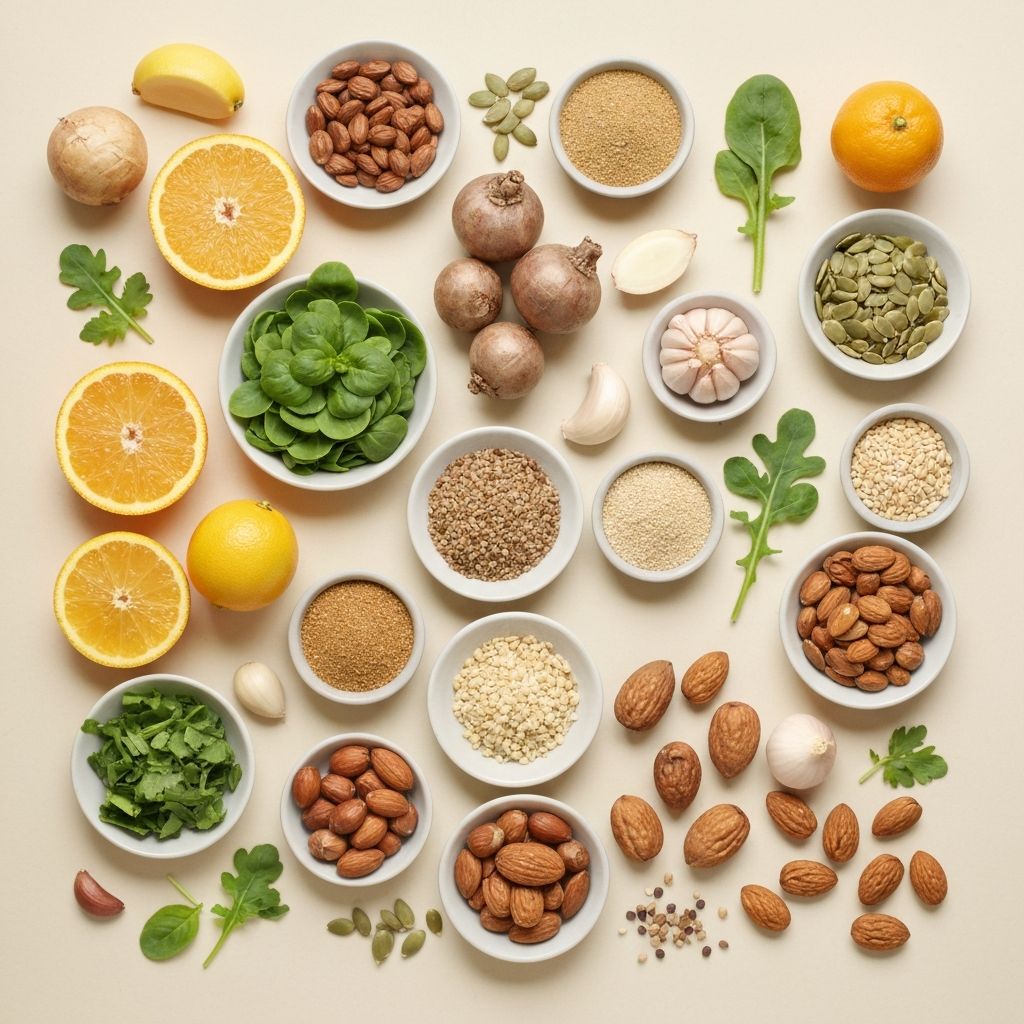
Vitamins and minerals function as essential cofactors in metabolic pathways. Each micronutrient performs specific biochemical roles without which energy metabolism cannot proceed efficiently.
B-Complex Vitamins
Thiamine (B1), riboflavin (B2), niacin (B3), and other B vitamins are coenzymes in carbohydrate, amino acid, and fatty acid metabolism. Deficiency impairs energy production at the cellular level.
Learn more →
Magnesium & Zinc
Magnesium regulates enzymatic function across multiple metabolic pathways. Zinc participates in protein synthesis and immune function. Both influence cellular energy dynamics substantially.
View full explanation →
Iron & Copper
Iron functions in oxygen transport and electron transfer reactions. Copper enables iron metabolism and oxidative processes. Adequate status ensures efficient energy utilisation.
Discover additional reading →Meal Composition Influences on Metabolism
The macronutrient composition of meals produces distinct metabolic effects. Mixed meals containing protein, carbohydrate, and fat produce different postprandial responses compared to single-macronutrient compositions.
Protein content increases thermogenesis—the energy cost of digestion—more substantially than carbohydrates or fat. Carbohydrate composition (simple vs. complex) influences glycaemic response. Fat influences satiety signaling and absorption kinetics of other nutrients.
Meal timing within daily eating patterns influences circadian metabolic rhythms and substrate utilisation. These concepts describe physiological mechanisms without prescribing dietary choices.

Nutrition Science Insights
Explore detailed articles examining specific concepts in nutritional physiology and evidence-based information.
Nutrient Partitioning
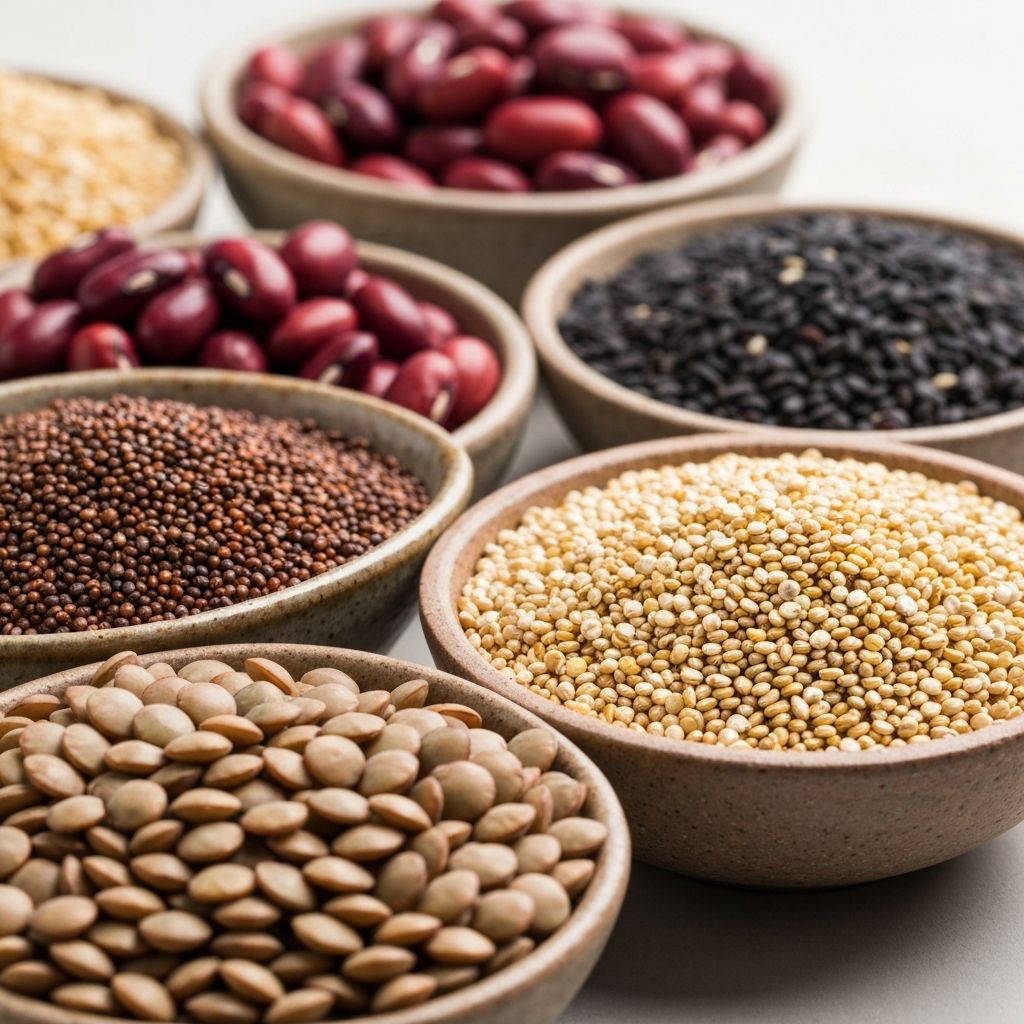
How the body allocates dietary energy across storage, oxidation, and utilisation pathways based on metabolic state and composition.
Read more →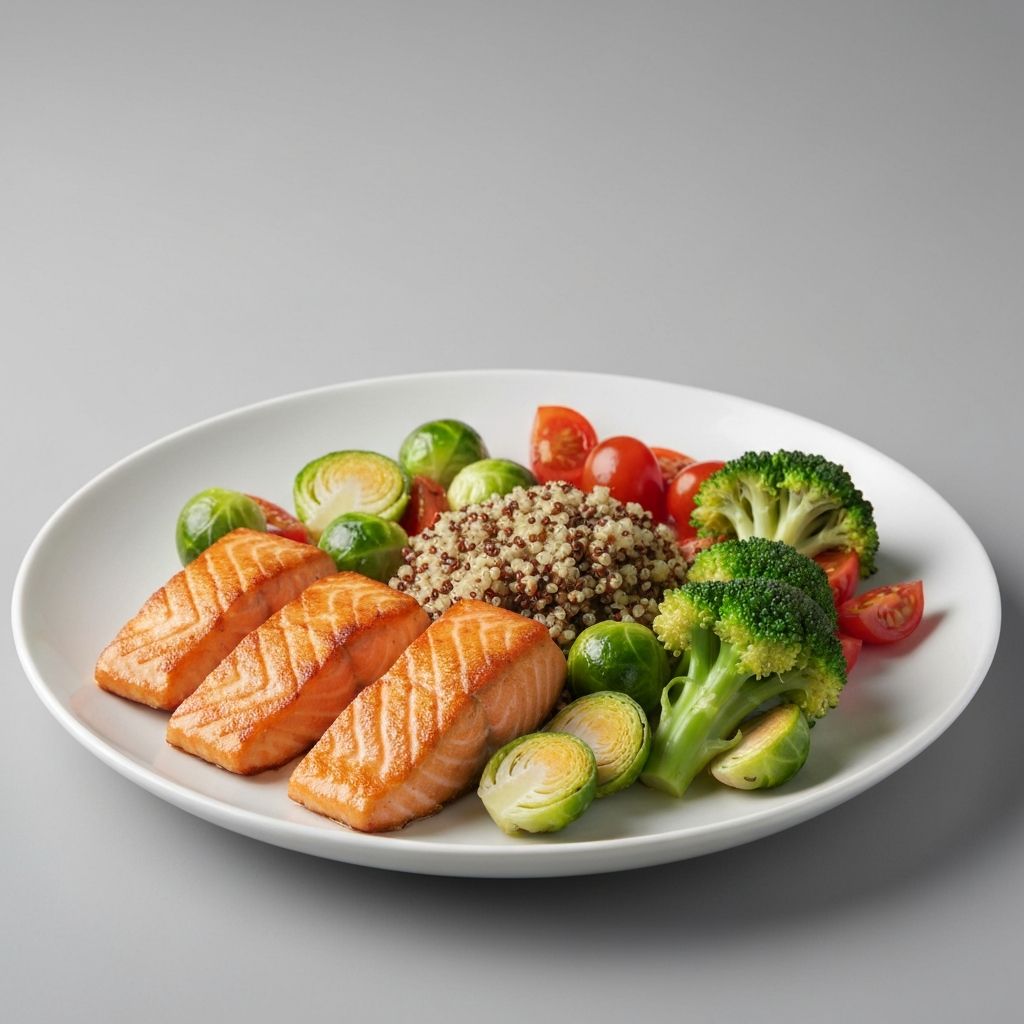
Insulin & Glucose
Understanding postprandial glucose dynamics, insulin secretion patterns, and metabolic responses to different meal compositions.
Read more →
Fibre Physiology
Soluble and insoluble fibre effects on digestion, gut health, and metabolic function based on structural properties.
Read more →
Palatability Science
How sensory properties and reward mechanisms influence food choice independent of nutritional content.
Read more →
Micronutrients
Essential roles of vitamins and minerals as metabolic cofactors in energy production and cellular function.
Read more →
Meal Timing
Effects of meal timing patterns on metabolic markers, circadian rhythms, and substrate utilisation dynamics.
Read more →Nutrition Concept Highlights
Metabolic Adaptation
The body adjusts energy expenditure in response to sustained changes in energy intake through multiple regulatory mechanisms.
Nutrient Synergy
Some nutrients enhance absorption or utilisation of others. Vitamin C improves iron absorption; fat-soluble vitamins require dietary fat for uptake.
Circadian Metabolism
Metabolic rate and nutrient processing vary across the 24-hour cycle. Circadian rhythms influence hormone secretion and energy utilisation.
Individual Variability
Genetic, epigenetic, and environmental factors create substantial variation in how individuals respond to identical dietary compositions.
Satiety Mechanisms
Multiple physiological signals—hormonal, mechanical, and neurological—combine to regulate food intake and energy balance perception.
Microbiota Interactions
Gut bacteria influence nutrient absorption, produce metabolically relevant compounds, and participate in immune and metabolic regulation.
Frequently Asked Questions
Energy expenditure comprises basal metabolic rate (the energy required for basic cellular function), thermic effect of food (energy cost of digestion), and activity energy expenditure. Body composition influences metabolic rate because muscle tissue is metabolically more active than adipose tissue. However, the relationship is complex and influenced by hormonal status, age, and genetic factors.
Protein produces greater satiety per calorie than carbohydrate or fat through multiple mechanisms: increased thermogenesis, stimulation of satiety hormones like peptide YY and cholecystokinin, and effects on gastric distension. Soluble fibre increases viscosity and slows gastric emptying, enhancing satiety signaling. Fat is more energy-dense but may produce slower satiety responses depending on food form and composition.
Nutrient density describes the concentration of micronutrients relative to energy content. Foods with high nutrient density provide substantial micronutrients without excessive energy. This concept is relevant because meeting micronutrient requirements while managing energy intake requires selecting foods with favourable nutrient-to-energy ratios.
Alcohol provides 7 calories per gram but is not efficiently stored as glycogen or fat. The liver metabolises alcohol preferentially, temporarily suppressing the oxidation of other substrates. Chronic alcohol consumption influences multiple metabolic pathways and nutrient absorption. However, this resource does not provide individual guidance regarding alcohol consumption.
Genetic variations influence enzyme activity, hormone sensitivity, and nutrient utilisation efficiency. Epigenetic factors—modifications to gene expression without DNA sequence changes—respond to environmental inputs including nutrition. Age, sex, physical activity levels, sleep patterns, stress, and previous dietary history all create substantial variation in how individuals respond to identical dietary patterns.
No. This site provides general information about nutrition science, metabolic processes, and body composition concepts. It does not diagnose conditions, prescribe treatments, or provide individualised guidance. If you have specific health concerns or questions about your personal situation, consult qualified healthcare professionals.
Continue Your Learning
This resource covers fundamental concepts in nutritional science and body composition. Explore the detailed articles in our Insights section for deeper investigation of specific topics.